
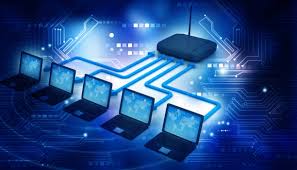
Computer Networking
A beginner computer networking blog should introduce essential concepts, devices, and protocols to give new learners a foundation. Topics to cover include:
Fundamental Concepts
- What is computer networking and how it works, including practical analogies for data transfer and device communication.
- Importance and applications of networking in daily life, business, and IT careers.
Types of Networks
- Overview of network categories: LAN, WAN, MAN, and wireless networks.
- Differences between wired and wireless networking.
Key Components and Devices
- Explanation of basic hardware: routers, switches, hubs, bridges, access points, modems, firewalls, and network interface cards (NICs).
- Description of network topologies—the structural arrangement of devices and links.
Network Protocols and Addressing
- Introduction to major networking protocols: TCP/IP, Ethernet, Wi-Fi, DHCP, DNS.
- Basics of IP addressing, including IPv4 vs IPv6, subnetting, and use of public/private IPs.
Security and Troubleshooting
- Essentials of network security: firewall basics, encryption, authentication.
- Troubleshooting tools: ping, traceroute, ipconfig, Wi-Fi analyzers.
Practical Examples and Career Relevance
- Step-by-step guides to setting up a simple home network.
- Real-world scenarios—how devices communicate in a typical home or office.
- The role of networking in IT and cybersecurity career paths.
Glossary
Covering these topics ensures new readers gain a comprehensive, approachable understanding of networking essentials, devices, terminology, and practical relevance.A beginner computer networking blog should cover foundational concepts, practical devices, common protocols, and essential security practices to provide a well-rounded introduction to networking.
Core Networking Concepts
- What computer networking is and its importance for connecting devices and sharing resources.
- Types of networks: LAN, WAN, MAN, and wireless networking.
- Wired vs. wireless networking basics.
Networking Devices and Topologies
- Routers, switches, hubs, bridges, access points, and modems—key devices and their roles in a network.
- Basic network topologies: star, bus, ring, mesh, and hybrid.
Protocols and Addressing
- TCP/IP, Ethernet, Wi-Fi, DNS, DHCP, and how they enable communication.
- IP addressing fundamentals, including IPv4, IPv6, subnetting, and public/private IP addresses.
Security and Troubleshooting
- Firewalls, encryption, authentication, and basic security practices to protect networks.
- Troubleshooting tools: ping, ipconfig, traceroute, and Wi-Fi analyzers.
Practical Applications
- Example home or office setup and real-world networking scenarios.
- Key networking terms every beginner should know.
Including these topics ensures readers develop a strong foundational understanding and practical skills to explore networking further.
Leave a Reply